Outdoor rugs have come a long way from the basic doormats of decades past. Today's outdoor rugs are stylish, durable, and designed to handle everything the Australian climate can throw at them — UV, moisture, dirt, and heavy foot traffic. Whether you're furnishing an alfresco dining area, a deck, a balcony, or a poolside zone, this guide will help you choose the right rug with confidence.
Why Use an Outdoor Rug?
An outdoor rug does more than just look good. It:
- Defines a zone — turning an open deck or patio into a purposeful living space
- Adds comfort underfoot on hard surfaces like concrete, timber decking, or tiles
- Reduces heat on sun-exposed surfaces
- Protects decking from furniture scratches
- Anchors outdoor furniture arrangements, just like an indoor rug would
Choosing the Right Material
Material is the most important decision for an outdoor rug. It needs to withstand sun, rain, and dirt while still looking great.
Polypropylene (Olefin) — The Gold Standard
UV-stable polypropylene is the most popular outdoor rug material, and for good reason:
- Highly resistant to fading from sun exposure
- Repels moisture — won't absorb water or develop mould easily
- Easy to clean — can be hosed down and dries quickly
- Durable under heavy foot traffic
- Available in a wide range of styles and patterns
This is the material to choose if the rug will be fully exposed to the elements.
Polyester
Softer than polypropylene and available in vibrant colours, polyester is a good option for covered outdoor areas (verandahs, pergolas) where it won't be directly rained on.
Natural Fibres — Use with Caution
Jute, sisal, and seagrass are sometimes marketed as outdoor-friendly, but they are not suitable for wet or exposed outdoor environments in Australia. They absorb moisture, can develop mould, and deteriorate quickly in direct sun. Stick to synthetics for true outdoor use.
Avoid wool outdoors — it's a premium indoor material but will degrade quickly when exposed to moisture and UV.
Getting the Size Right
Sizing an outdoor rug follows the same principles as indoor rugs — use it to define a zone, with furniture sitting on or near the rug's edges.
For an outdoor dining area: Add at least 60cm to each side of your table so chairs remain on the rug when pulled out. For a 180cm dining table, you'll want a rug at least 300cm in that dimension.
For a lounge or seating area: The front legs of all seating should sit on the rug. A 200×300cm or 240×340cm rug works well for most outdoor lounge settings.
For a balcony or small deck: Measure the usable space and leave 15–20cm of floor visible around the rug's perimeter for a balanced look. A 160×230cm or 200×290cm rug suits most medium balconies.
For a runner: Outdoor runners work well along pathways, pool edges, or narrow alfresco areas. Standard widths are 80cm; lengths vary from 200cm to 500cm+.
Style and Design
Outdoor rugs have evolved significantly in design. You no longer have to compromise on aesthetics for practicality.
Geometric patterns are the most popular choice — bold diamonds, chevrons, and lattice designs work well in outdoor settings and hide dirt between cleans.
Stripes are a classic for coastal and Hamptons-style outdoor spaces, adding visual length to narrow areas.
Earthy tones and naturals — sand, terracotta, olive, and stone — complement garden settings and outdoor furniture beautifully.
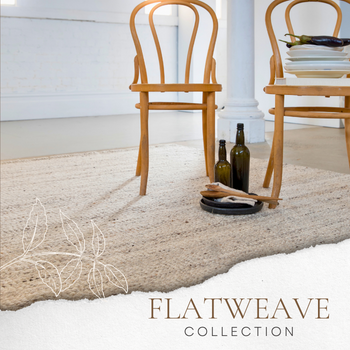
Flat-weave construction is ideal outdoors — it's easier to clean, dries faster, and doesn't trap debris the way a high-pile rug would.
Practical Considerations
Non-Slip Underlay
Always use a non-slip underlay under outdoor rugs, especially on smooth surfaces like tiles or polished concrete. This prevents the rug from shifting and is an important safety measure. Choose an underlay rated for outdoor use — standard indoor underlays can deteriorate when exposed to moisture.
Drainage
If your rug will be in a fully exposed area, check that water can drain freely underneath. Avoid placing outdoor rugs directly on surfaces where water pools — this can trap moisture and cause mould or staining on the surface beneath.
Furniture Leg Protectors
Use felt or rubber caps on outdoor furniture legs to prevent them from snagging or wearing the rug's surface over time.
Caring for Your Outdoor Rug
One of the great advantages of outdoor rugs is how easy they are to maintain:
- Regular maintenance: Shake or sweep off loose dirt and debris. Vacuum on a low setting if needed.
- Spot cleaning: Blot spills immediately with a clean cloth. Use mild detergent and water for stains — avoid harsh chemicals.
- Deep cleaning: Hose the rug down on both sides, scrub gently with a soft brush and mild detergent, rinse thoroughly, and allow to dry completely before replacing.
- Storage: During extended wet seasons or if you're not using the outdoor area, roll the rug (don't fold it) and store it in a dry place. Always ensure it's completely dry before rolling to prevent mould.
- Sun rotation: If one side of the rug gets more direct sun, rotate it every few months to even out any fading.
Shop Outdoor Rugs at RugsPlus Australia
We stock a wide range of outdoor rugs designed for the Australian climate — from compact balcony sizes to large alfresco statement pieces.
Need help choosing the right size? See our guide: Finding the Right Rug Size for Your Space.
Comparing materials? Read: Wool vs Synthetic Rugs — Which is Right for You?